
Popular Roof Vent Installation Products for Reliable Ventilation Solutions
Discover a selection of trusted products that ensure effective roof ventilation, helping to prevent moisture buildup and extend roof life.
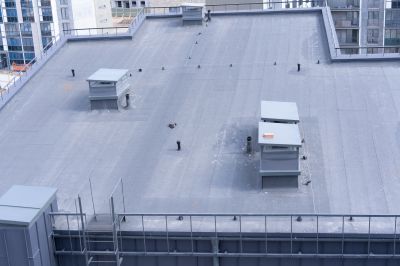 Installing roof vents is an essential step in maintaining proper attic ventilation and ensuring the longevity of a roofing system. A well-chosen vent system helps regulate temperature, reduce moisture buildup, and prevent issues such as mold and ice dam formation. When selecting products for roof vent installations, it's important to consider compatibility with your roof type, ease of installation, and durability under various weather conditions. The right combination of vents can contribute to improved airflow and overall roof performance.
Top Overall Option
Universal Roof Vent
A versatile and adaptable roof vent designed to fit a wide range of roof types and sizes. It offers effective airflow, easy installation, and durable construction suitable for various climates. Its universal design makes it a practical choice for many roofing projects, providing reliable ventilation performance and long-term durability.
Types of Products For Roof Vent Installations
Static Vents
Simple, non-moving vents that provide continuous passive airflow, ideal for various roof configurations.
Turbine Vents
Vents that utilize wind to create suction and actively draw air out of the attic space.
Ridge Vents
Vents installed along the roof's peak to facilitate unobstructed airflow across the entire attic.
Soffit Vents
Vents placed under the eaves to allow fresh air intake, working with exhaust vents to promote circulation.
Powered Exhaust Vents
Motorized vents that actively expel air from the attic, often controlled by thermostats or humidistats.
Gable Vents
Vents installed on the gable ends of the roof to facilitate cross-ventilation.
Cupola Vents
Decorative vents often used in conjunction with other vent types to enhance airflow and aesthetics.
Attic Fan Vents
Large fans designed to actively pull air through the attic space, often powered electrically.
Eave Vents
Vents installed at the eaves to allow cool air to enter the attic space, supporting proper ventilation flow.
Vented Soffit Panels
Pre-fabricated panels with built-in vents that streamline installation and provide consistent airflow.
Popular Choices
Widely used for passive ventilation, suitable for various roof types and easy to install.
Commonly selected for their wind-driven operation, providing active exhaust without power sources.
Popular for their low-profile design, running along the roof peak for continuous ventilation.
Preferred for their ease of integration with existing soffits, facilitating intake airflow.
Chosen for active ventilation needs, especially in larger or poorly ventilated attics.
Selected for cross-ventilation in gable-end homes, often combined with other vent types.
Commonly used as intake vents to promote airflow from the bottom of the roof.
Valued for aesthetic appeal and functional airflow, often used in traditional or decorative settings.
Popular for active ventilation, especially in warmer climates or larger spaces requiring more airflow.
Roof vent products come in a variety of designs, including static vents, turbine vents, ridge vents, and soffit vents. Each type serves a specific purpose and can be combined for optimal ventilation. Static vents are simple and effective, providing continuous airflow without moving parts. Turbine vents utilize wind to create suction, actively drawing air out of the attic space. Ridge vents run along the peak of the roof, offering unobtrusive ventilation that blends seamlessly with the roofline. Soffit vents are installed under the eaves to allow fresh air to enter the attic, working in conjunction with exhaust vents to promote circulation.
Durability and material quality are crucial factors to consider, as roof vent products are exposed to the elements year-round. Materials such as aluminum, galvanized steel, and durable plastics are common choices that resist corrosion and withstand harsh weather conditions. Proper sizing and installation are also vital to ensure effective ventilation without causing leaks or structural issues. Consulting with roofing professionals or following manufacturer instructions can help achieve the best results for your specific roof configuration.
Overall, selecting the appropriate roof vent products involves balancing functionality, durability, and compatibility with your roofing system. Whether you are undertaking a new installation or upgrading existing vents, understanding the different options available can help you make informed decisions that support the health and performance of your roof for years to come.
Key Buying Considerations
- Compatibility with your roof type and existing ventilation system.
- Material durability to withstand weather elements and corrosion.
- Proper sizing to ensure adequate airflow without causing structural issues.
- Ease of installation and whether professional help is recommended.
- Noise levels, especially for powered or turbine vents.
- Energy efficiency and power consumption for motorized options.
- Aesthetic integration with the roof design and overall home appearance.
- Compatibility with insulation and potential for creating leaks if not installed correctly.
- Maintenance requirements and ease of cleaning or replacing parts.
- Manufacturer reputation and product warranty coverage.
- Local building codes and regulations related to roof ventilation.
- Cost considerations balanced with material and installation quality.
- Potential for future upgrades or system expansion.
- Vent placement to maximize airflow and avoid obstructions.
- Weather resistance, including resistance to snow, rain, and wind.