Optimal Timing for Roof Vent Installations
Determining the optimal time for roof vent installations involves considering weather conditions, temperature, and roof accessibility. Installing vents during moderate weather ensures proper sealing and reduces the risk of damage caused by extreme heat, cold, or rain. Typically, the best periods are during spring and fall when temperatures are mild and weather patterns are more predictable.
Spring and fall offer optimal conditions for roof vent installation, with moderate temperatures and low precipitation.
Avoid installations during winter and peak summer heat to prevent material issues and ensure safety.
Temperatures between 45°F and 75°F are most suitable for effective installation and sealing.
Rain, snow, or high humidity can delay installation and compromise the quality of work.

Spring provides ideal conditions for installing roof vents due to mild weather and longer daylight hours.
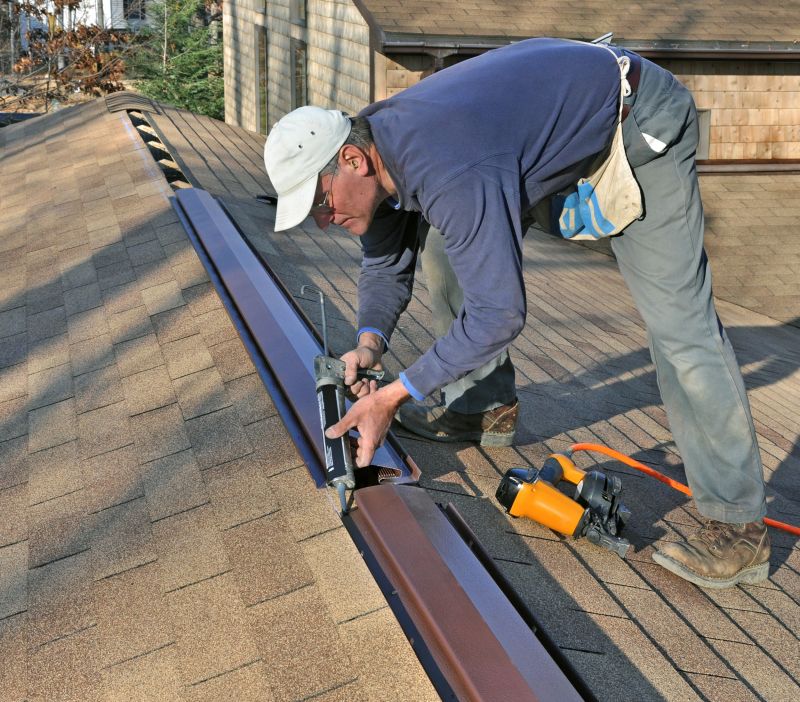
Fall offers stable weather and cooler temperatures, making it suitable for roof vent work.
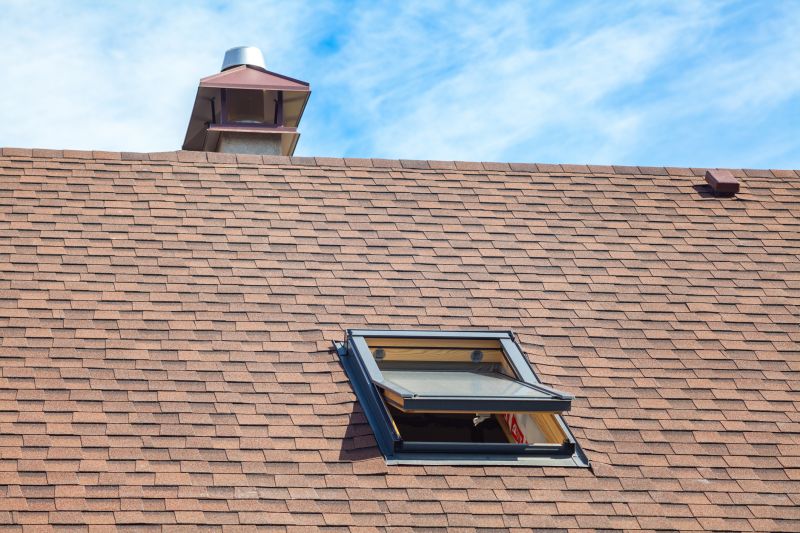
Choosing days with low humidity and no precipitation ensures quality installation.
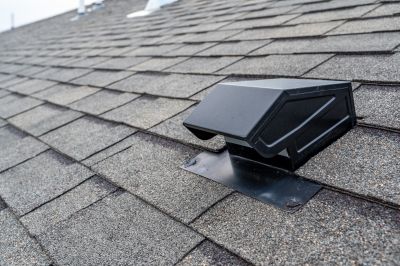
Popular materials for Roof Vent Installations and why they hold up over time.
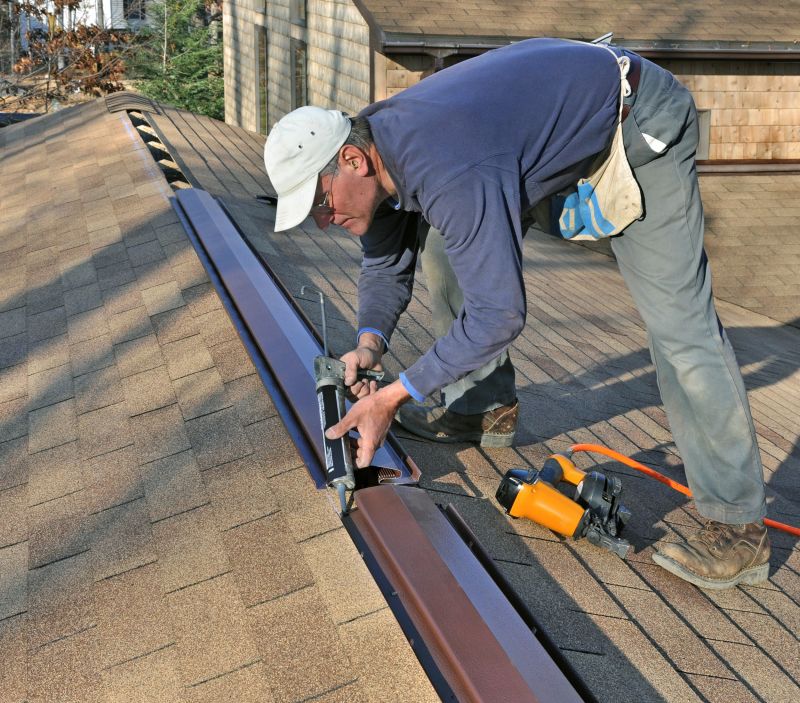
Simple add-ons that improve Roof Vent Installations without blowing the budget.
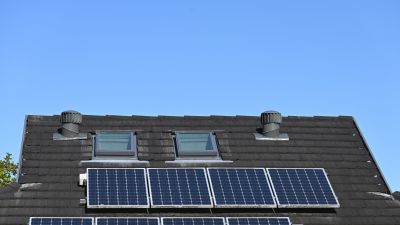
High-end options that actually feel worth it for Roof Vent Installations.
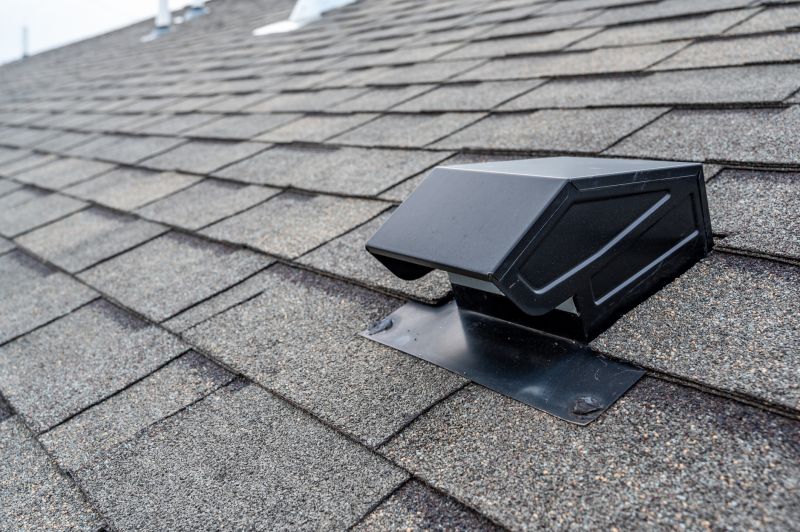
Finishes and colors that play nicely with Roof Vent Installations.

Little measurements that prevent headaches on Roof Vent Installations day.
Roof vent installations are essential for maintaining proper attic ventilation, which helps regulate temperature and moisture levels inside a building. Proper ventilation can extend the lifespan of roofing materials, improve energy efficiency, and prevent issues like mold growth and structural damage. The installation process involves selecting appropriate vent types, such as ridge vents, soffit vents, or turbine vents, and ensuring they are correctly positioned for optimal airflow.

Properly installed vents facilitate airflow, reducing heat buildup and moisture.
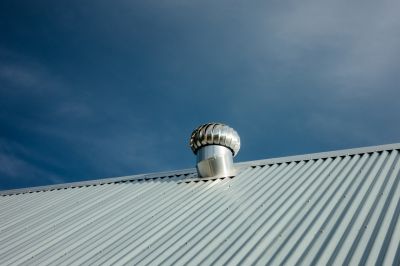
Different vent styles serve various needs, including ridge, soffit, and turbine vents.
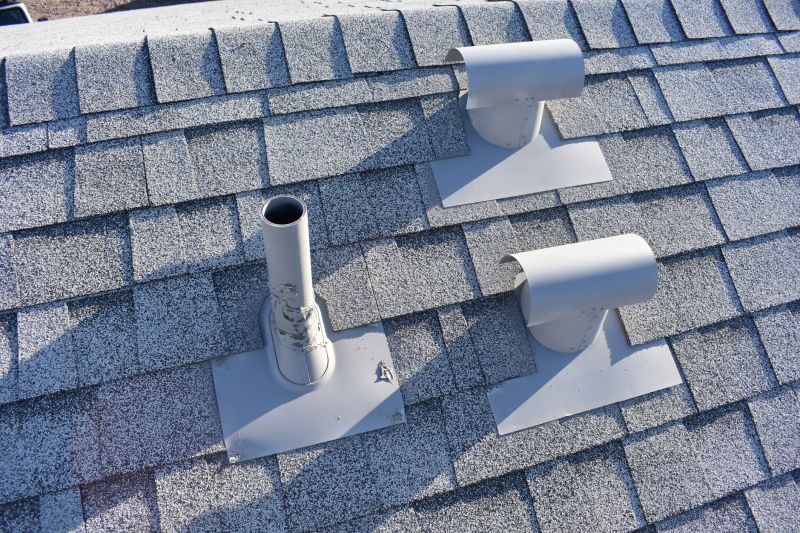
Professional installation ensures vents are sealed correctly to prevent leaks.
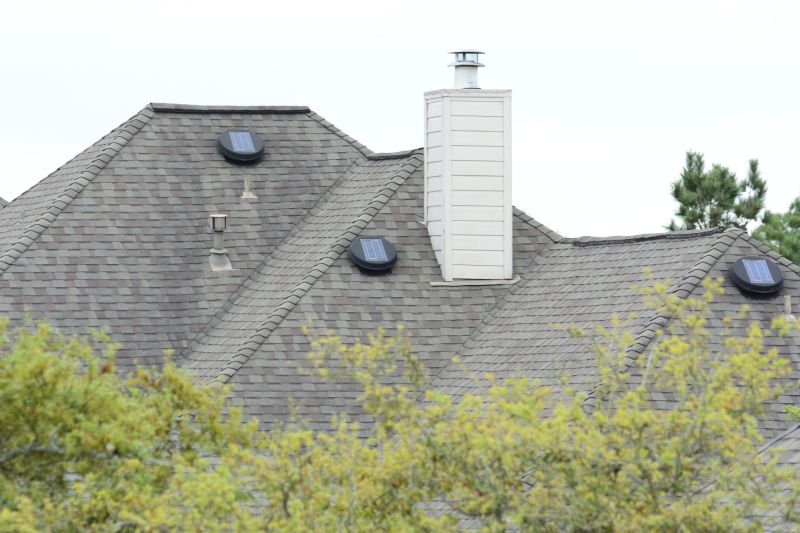
Enhanced airflow, energy savings, and protection against mold and rot.

A 60-second routine that keeps Roof Vent Installations looking new.
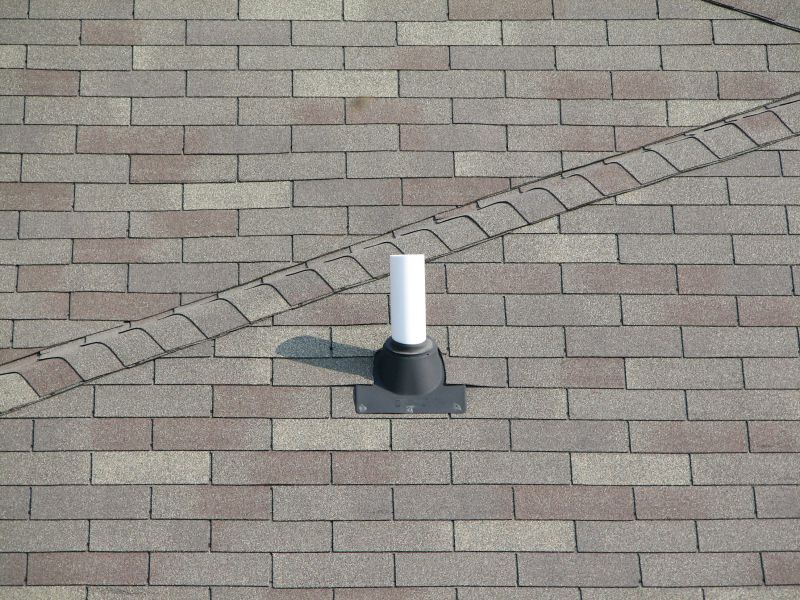
A frequent mistake in Roof Vent Installations and how to dodge it.

Small tweaks to make Roof Vent Installations safer and easier to use.
Lower-waste or water-saving choices for Roof Vent Installations.
| Season | Advantages |
|---|---|
| Spring | Mild weather and longer days facilitate installation. |
| Fall | Stable weather and cooler temperatures are ideal. |
| Summer | Can be hot; risk of material warping or safety concerns. |
| Winter | Extreme cold and potential snow hinder installation. |
| Late Autumn | Increasing precipitation may affect scheduling. |
Choosing the right time for roof vent installation can significantly impact the durability and effectiveness of the ventilation system. Proper planning and timing ensure that vents are installed under optimal conditions, reducing the likelihood of future repairs and ensuring compliance with building standards. Regular inspections and maintenance after installation help maintain performance over time.
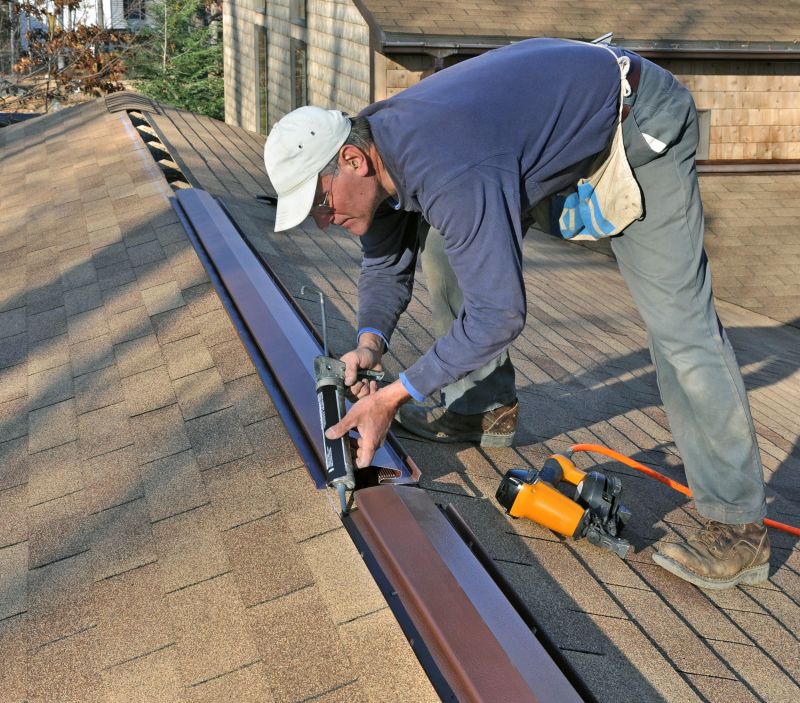
Properly sealed vents contribute to efficient attic ventilation.
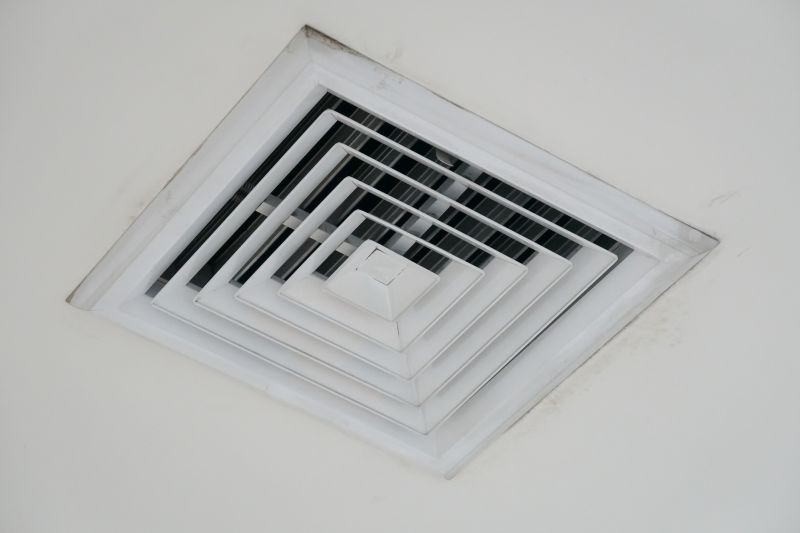
Effective airflow reduces energy costs and prevents moisture buildup.
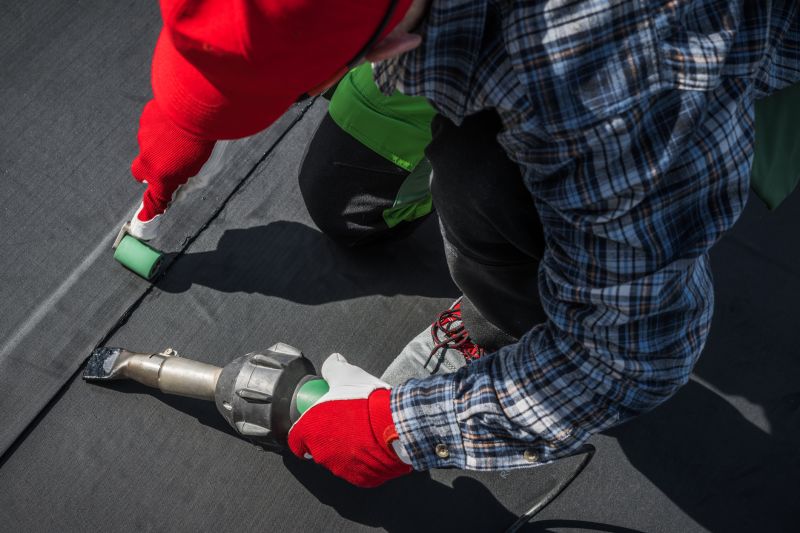
Expert installation ensures maximum performance and longevity.
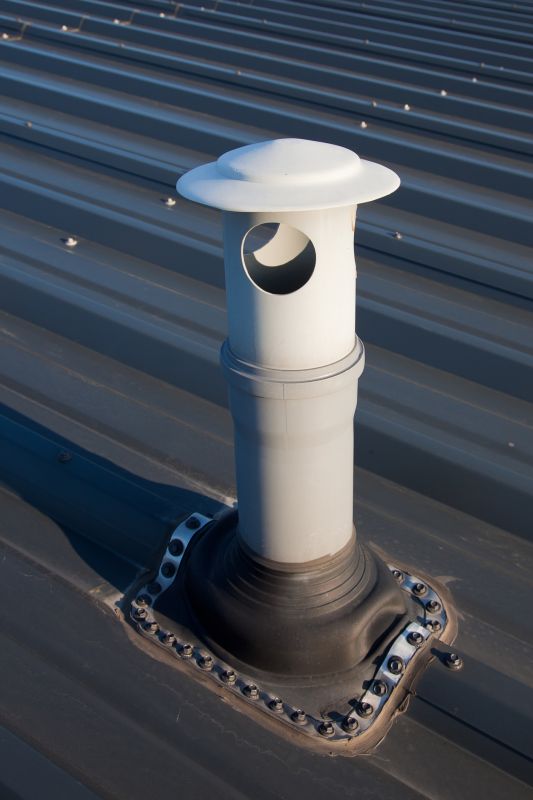
The short, realistic tool list for quality Roof Vent Installations.
Rough timing from prep to clean-up for Roof Vent Installations.

Quick checks and paperwork to keep after Roof Vent Installations.
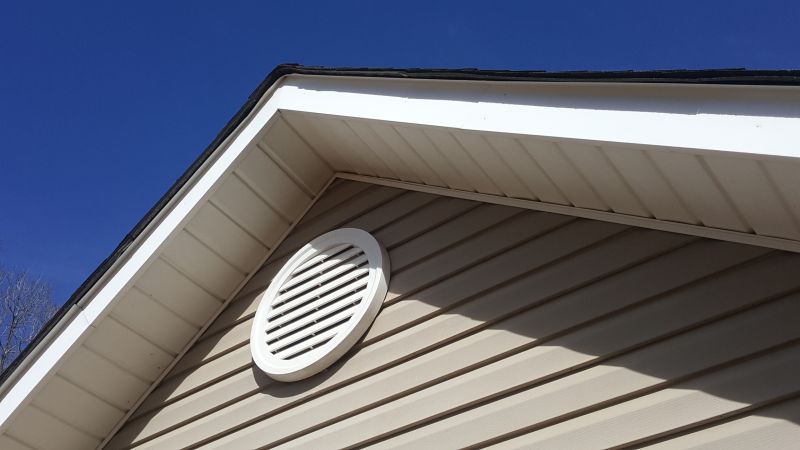
Examples that show the impact a good Roof Vent Installations can make.
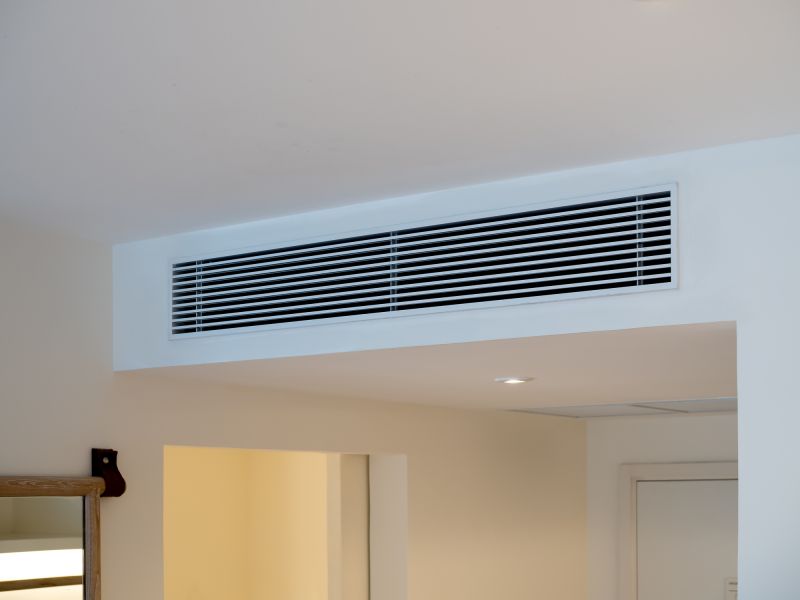
Ways to make Roof Vent Installations work in tight or awkward layouts.
Interested in scheduling roof vent installation? Filling out the contact form provides an opportunity to discuss options, timing, and specific needs for optimal attic ventilation and roof performance.